2tr.me

It’s harder than ever to find good tutors, we’re here to help

Author: Isabel Mejia

  • What Climbing Mount Fuji Teaches Students About Conquering Tough Academic Goals

    Staring down a massive final paper or a semester packed with difficult courses can feel like standing at the base of a mountain. It’s easy to feel overwhelmed. But just like climbing Japan’s iconic Mount Fuji, reaching your biggest academic goals comes down to preparation and mindset. The journey is hard, but the reward at the summit makes it worthwhile.

    Climbing Fuji isn’t just about raw strength; it’s a test of strategy. The same goes for handling a tough academic goal. You need more than just all-night study sessions. It’s about smart planning and wisely spending your most valuable resources: time, energy, and focus.

    Breaking Down the Ascent

    Nobody climbs Fuji in one go. The mountain has 10 stations, and most hikers start from the 5th, breaking the journey into smaller parts. You can apply this same idea to academic overload.

    A 15-page research paper feels daunting until you break it into smaller steps:
    * Figure out the assignment: Talk to your professor to nail down what they expect.
    * Do some digging: Find initial sources, maybe chat with a librarian.
    * Sketch an outline: Build a basic structure for your paper.
    * Write it piece by piece: Focus on one section at a time instead of trying to write the whole thing at once.
    * Refine and fix: Read through for clarity, then check for mistakes.

    These mini-deadlines turn what feels like a giant project into a series of smaller, doable tasks.

    Budgeting for the Climb

    Climbing Mount Fuji means budgeting for things like transportation, gear, and hut stays. In academics, your currency is different, but the idea of budgeting still applies. Your time and energy aren’t endless.

    Think of your week like a financial budget: You have 168 hours. How will you spend them? A planner or digital calendar is key to seeing where your time actually goes. First, block out classes, work, and social plans. Then, set aside specific, realistic chunks of time for focused study on your big academic goal.

    Sometimes, the smartest way to use your resources is to get help from an expert. A mountain guide makes a Fuji climb safer and more successful; similarly, a tutor can give you the specific help you need with a tough subject. Paying for a tutor isn’t giving up—it’s a smart move for your success.

    Packing the Right Gear

    You wouldn’t climb Mount Fuji in flip-flops. You’d pack sturdy hiking boots, layers for shifting weather, and a headlamp for those early starts. Your academic challenges need the same kind of preparation. Here’s your “gear”:

    • Your study spot: Find a place where you can truly focus, whether it’s a silent library nook or a busy coffee shop.
    • Study methods that work: If rereading notes isn’t cutting it, try something new like the Pomodoro Technique—25 minutes of focused work, then a 5-minute break.
    • A solid support crew: Tell friends or family about your goals. They can cheer you on and help keep you accountable.

    A big academic challenge can feel overwhelming, but the mountain-climbing strategy holds true. Break it down, manage your time and energy smartly, and get yourself the right tools and help. Soon enough, you’ll reach your goal and see how far you’ve come.

  • Boxing on a Budget: A Student’s Guide to Understanding Class Costs

    Boxing on a Budget: Your Student Guide to Class Costs

    Thinking about boxing? It’s a great way to relieve stress, get fit, and build confidence. But before you imagine your own training montage, let’s face a common student hurdle: the budget. Though often seen as accessible, boxing lessons and gear can add up. This article covers the actual costs of starting boxing, helping you plan your path into the ring without draining your wallet.

    How Much Do Lessons Cost?

    Lessons will likely be your biggest ongoing expense. What you pay depends a lot on the type of training you pick.

    • Group Classes: Most students find group classes the most affordable entry point. A single drop-in class typically costs $25-$40. Monthly group class memberships usually run from $70 to over $200, varying with the gym’s location and amenities.

    • Full Gym Memberships: A full boxing gym membership usually includes facility access and a certain number of classes. Expect basic memberships to start around $70-$150/month, though premium gyms in big cities can be much pricier. For instance, in Los Angeles, monthly fees can hit $200-$800.

    • Private Coaching: For one-on-one instruction, private lessons are available but expensive. A personal boxing trainer usually charges $75-$150 per hour. While you get tailored feedback, this is often out of reach for most student budgets.

    Definitely check if your university has a boxing club. These often have significantly lower fees and are an excellent way to start and connect with peers. Also, ask local gyms about student discounts or free trial classes; it’s smart to try a place out before you sign up.

    Essential Gear: What You’ll Buy Once

    You’ll need some basic equipment before you can throw a punch. The good news? You don’t have to buy professional-grade gear right off the bat.

    Here’s what you’ll need and roughly what it costs:

    • Boxing Gloves: Essential for hand protection, a good beginner pair runs $30-$60.
    • Hand Wraps: These support your wrists and knuckles under your gloves. They’re a small but vital purchase, usually $5-$15.
    • Mouthguard: If you plan to spar, get one. A basic mouthguard costs about $10-$20.
    • Workout Clothes & Shoes: You probably already own workout clothes. Standard athletic shoes are fine; no need for boxing-specific footwear just yet.

    While some gyms lend gloves for your first few classes, it’s best to buy your own for hygiene and comfort once you commit to the sport.

    Location Matters: City vs. Town Prices

    Your school’s location significantly impacts boxing costs. Gyms in big cities have higher overhead, which translates to pricier memberships. You’ll usually find more affordable options in smaller towns or suburbs. High population density often means gyms can charge more.

    Before signing up, compare prices at local boxing gyms. You might discover a better deal at a gym a short distance from campus.

    Boxing can be a great addition to your college life. By knowing the potential costs and smart ways to save, you can make it a sustainable and enjoyable activity.

  • Demystifying Standardized Tests: Understanding Their Challenges and How to Conquer Them

    Conquering Standardized Tests: Your Guide to Challenges and Success

    For many high school students, just hearing “ACT” or “SAT” can bring on a wave of anxiety. These exams have long been a core part of U.S. college admissions, designed to help colleges compare applicants from various schools. Even though their role is shifting – with many schools now test-optional – a good score can still boost your application and open doors to scholarships.

    Knowing what you’re facing is the first step. Let’s look at the common challenges and build a plan to tackle them.

    Why These Tests Are a Challenge for Everyone

    Standardized tests aim to be a level playing field, but that structure often creates unique challenges for nearly every student. Admissions officers use these scores to see if a student is ready for college-level work.

    Here are some common hurdles you’ll likely face:

    • The Clock’s Ticking: A major pressure is the strict time limit per section. It’s not enough to know the material; you also need to access that knowledge quickly.
    • Unfamiliar Question Styles: These tests have a specific style. Questions might be phrased differently than what you’re used to in school, forcing you to think quickly and strategically. Getting familiar with these formats is crucial to avoid surprises.
    • The High Stakes: The pressure of a single test score can feel heavy. This can easily lead to test anxiety, affecting your focus and performance, no matter how well you know the material. Remember, this score is just one piece of your application, not a definitive measure of your intelligence or future potential.
    • Pure Endurance: These exams are long. Staying focused for several hours is a skill in itself and can be exhausting if you’re not ready.

    Your Strategy for Success

    Understanding the challenges is a great start. Now, let’s talk about how to tackle them. A solid preparation plan can make a huge difference.

    Getting Started

    Start your prep early – ideally a few months before test day. This helps you avoid last-minute cramming and gives you time to build skills and confidence. Begin by taking a full-length practice test for both the SAT and ACT to see which format feels like a better fit.

    Once you’ve chosen a test, create a structured study schedule. Set aside dedicated time each week to focus on specific areas. If you struggled with the math section on your practice test, for example, dedicate more time to those concepts.

    Practice Smart

    Consistent practice matters. Taking timed practice tests helps you get used to the pacing and build stamina. Plenty of resources are available, many of them free. The official College Board (SAT) and ACT websites offer practice questions and full-length tests.

    Don’t just take the tests; analyze your results. Figuring out why you got a question wrong is far more helpful than simply seeing the correct answer. This will help you identify gaps in your knowledge and focus your efforts.

    When to Get Extra Help

    Sometimes, self-study isn’t enough, and that’s totally okay. If you’re struggling with a subject, feel overwhelmed, or just aren’t seeing the progress you want, it might be time for outside help.

    A tutor can offer personalized guidance, helping you pinpoint your weaknesses and develop strategies to improve. They can suggest new ways to approach tough problems and provide the encouragement you need to stay motivated.

    By understanding these tests and preparing strategically, you can turn a source of stress into a real opportunity to show what you can do.

  • Beyond Words: Why Every Student Should Understand Sign Language

    Beyond Words: Why Every Student Should Understand Sign Language

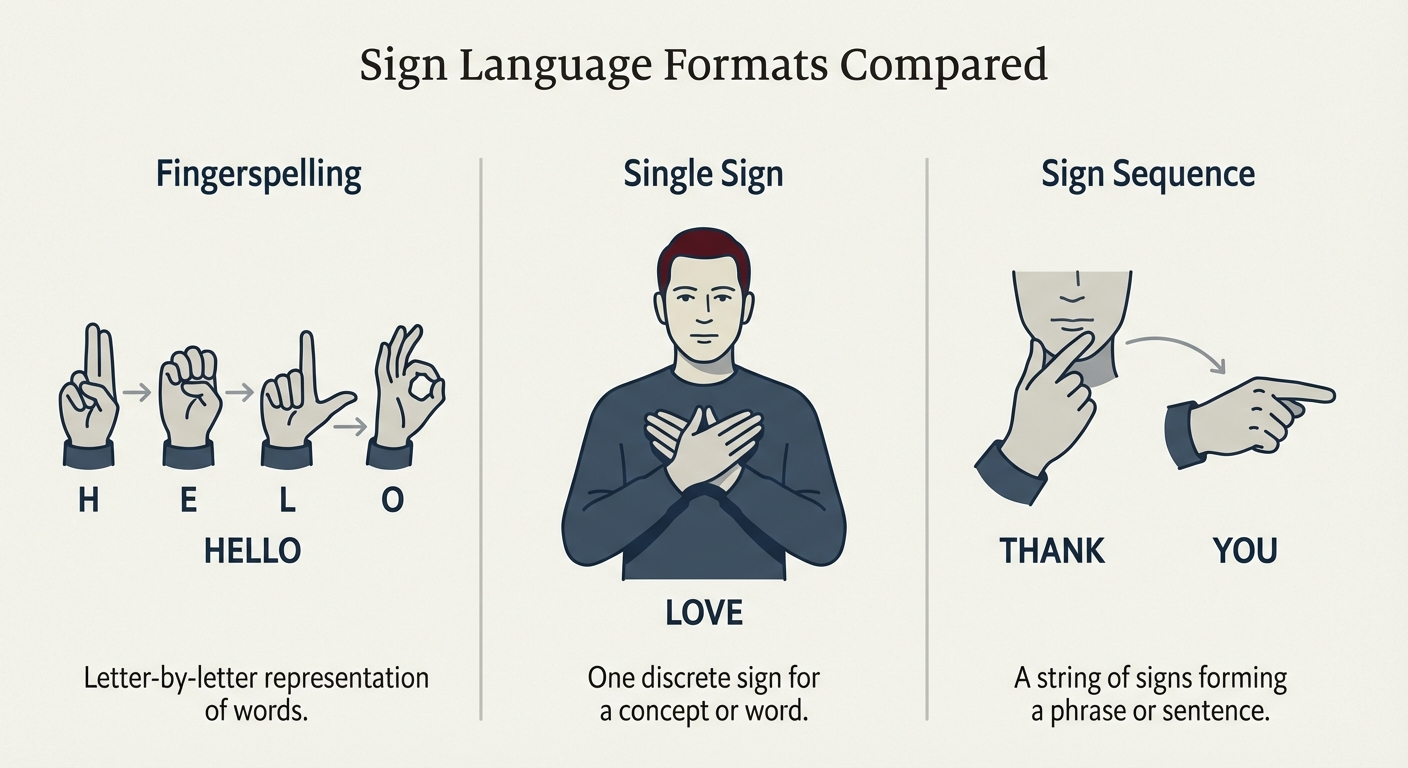
    Communication isn’t just about what you say; it’s about how you connect. For students eager to expand their world and build essential skills, learning sign language offers a distinct path. It’s a visual language of movement, expression, and subtle details, enhancing your ability to truly connect with others.

    What is Sign Language?

    Sign language is a visual language that uses handshapes, facial expressions, and body movements to convey meaning. It’s the primary communication method for people in Deaf and hard-of-hearing communities. It also helps individuals who can hear but struggle with speech.

    Many assume sign language is universal, but that’s not the case. Over 300 distinct sign languages exist worldwide, each with its own grammar and vocabulary. American Sign Language (ASL), for example, is used in the U.S. and parts of Canada and is entirely different from British Sign Language (BSL), despite both countries being English-speaking. Like spoken languages, each sign language is unique and evolves over time.

    The Student Advantage: Skills Beyond the Classroom

    Even a basic understanding of sign language offers students a unique set of advantages.

    Improve Your Communication Skills: Learning to sign makes you a more attentive and expressive communicator. Since it relies heavily on non-verbal cues, you’ll naturally improve at reading facial expressions and body language—skills valuable in any interaction. This can even boost your spoken communication.

    Sharpen Your Brainpower: Engaging with a visual-spatial language like ASL challenges your brain. Studies show that learning a second language, including sign language, can improve cognitive abilities like memory, problem-solving, and multitasking. It activates different brain regions, sharpening your critical and creative thinking.

    Cultivate Empathy and Broaden Your Perspective: Learning sign language cultivates empathy. Communicating in this new way offers insight into the experiences of Deaf and hard-of-hearing communities. This understanding helps bridge communication gaps and fosters a more inclusive perspective. You’ll better appreciate diverse viewpoints and connect with a broader range of individuals.

    A Skill for a More Connected World

    In a world that’s more connected and diverse than ever, the ability to reach across different backgrounds is invaluable. Learning sign language contributes to a more inclusive society. It’s a practical skill that can lead to new friendships, richer cultural encounters, and even professional paths in areas like education and healthcare.

    Whether you aim for fluency or just learn a few basic phrases, engaging with sign language is an impactful step in your personal journey. It pushes you to communicate differently, think more critically, and build stronger bonds with the people around you.

  • Finding a Tutor Who Actually Helps: Beyond Craigslist and Big Agencies

    Finding a Tutor Who Actually Helps: Beyond Craigslist and Big Agencies

    Finding a tutor used to be simple. You walked to the library, found a tear-off flyer on the bulletin board, and called the number. Or, you checked Craigslist.

    Today, Craigslist is mostly dead for services, filled with spam or scams. Meanwhile, a Google search for “chemistry tutor” floods you with ads for massive agencies that charge high monthly subscriptions.

    If you are a student (or a parent) looking for genuine, one-on-one help, you need to know where the independent pros have migrated. Here is how to cut through the noise and find a tutor who fits your specific needs.

    1. Google Maps is the New Bulletin Board

    Most people don’t think to look for a private tutor on a map, but this is currently the best way to find independent educators.

    Experienced tutors who run their own small businesses know that “local SEO” is their lifeline. They set up Google Business Profiles to show up in local searches. When you search “Math tutor near me” and click on the map view, you aren’t just seeing big centers like Kumon or Mathnasium. You will often find individual teachers with home offices or library meeting spots.

    Why this works:

    • Direct contact: You usually get the tutor’s direct phone number or website, not a sales hotline.
    • Real reviews: Local reviews are harder to fake than testimonials on a generic landing page.
    • No middleman: You pay the tutor directly, meaning you aren’t covering a corporation’s overhead.

    2. Navigate the “Big Tech” Platforms Carefully

    You have likely seen ads for Wyzant, Varsity Tutors, or Superprof. It is essential to understand the difference between them because they operate on completely different models.

    Wyzant operates like Airbnb for tutors. You browse profiles, see the specific person you will be working with, check their background, and see their hourly rate. This is generally safer than a blind search because the platform runs background checks and verifies credentials.

    Varsity Tutors and similar “subscription” models often work differently. You usually speak to a sales rep first, buy a package of hours, and then they assign a tutor to you.

    If you want control over who teaches you, stick to marketplaces where you pick the person, not the company.

    3. The “Digital Flyer” Strategy

    Since Craigslist declined, local community groups on Facebook and Nextdoor have absorbed that traffic. However, don’t just post “I need a tutor.” You will get spammed by bots and agencies.

    Instead, use the search bar within your town’s specific community group. Search for “tutor recommendations” or specific names. You want to find the threads where neighbors are discussing who helped their kid pass Calculus last semester. Word-of-mouth has gone digital, but it lives in the comment sections, not the marketplace listings.

    4. Ask the Right People at School

    Post-lockdown, there was a surge in “National Tutoring” programs that outsourced help to inexperienced workers. As a result, many students are burnt out on Zoom calls and want face-to-face instruction.

    Because many schools now restrict independent tutors from advertising on campus to avoid liability, you won’t see flyers in the hallways. You have to ask.

    • Guidance Counselors: They often keep a “shortlist” of retired teachers or trusted locals they refer parents to privately.
    • Department Heads: A physics teacher usually knows exactly which grad student or former peer is taking private students.

    5. Verify Before You Hire

    Once you find a potential match, do a quick quality check. A professional tutor should offer a brief phone consultation or a discounted trial session.

    Ask them:

    • “Do you have current students in this specific class?” (Curriculums change; you want someone familiar with Common Core or the current AP requirements).
    • “What is your policy on cancellations?”
    • “Do you create your own materials or just help with homework?”

    You don’t need a “revolutionary educational solution.” You need someone who knows the material and knows how to explain it to you. Whether that person is on a shiny app or a Google Map pin, the goal is finding a human connection that makes the work easier.